Landscape Photography: Capturing Water in All Its Forms
by Tania McCrea Steele · 2025-05-21

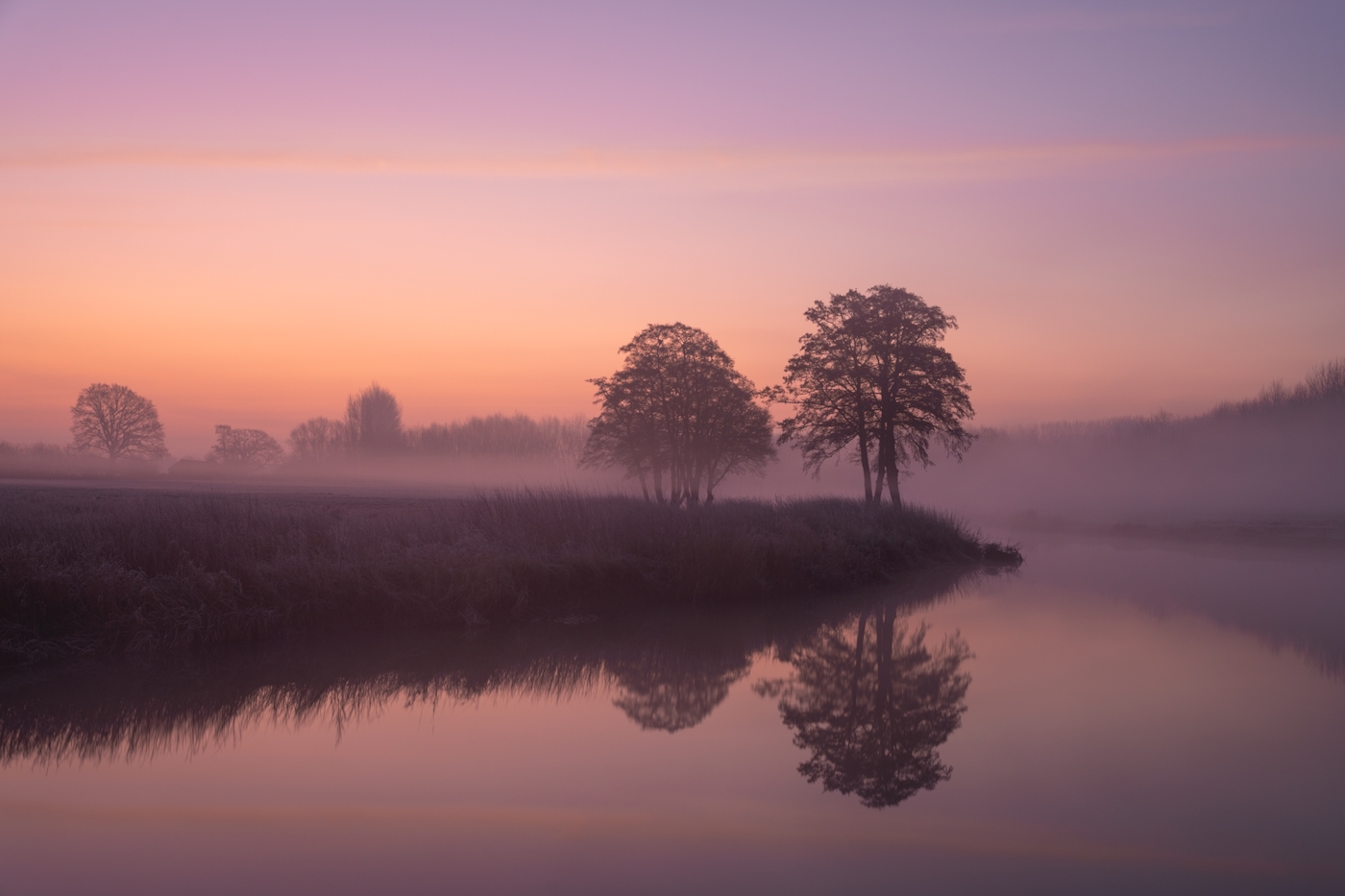
River reflections, mist and ice. Bradford-on-Avon.
Water, in its many forms, has the power to transform an ordinary landscape into something truly magical. From the tranquillity of reflections, to the ethereal qualities of mist, through to the transformational effect of snow and frost, to the drama of storms and the vibrant colours of clouds at sunset, water makes the world of difference to an image. In landscape photography, water isn’t just a subject—it ’s an emotion. Let me show you how it can elevate a scene.
Rivers, Lakes and Canals

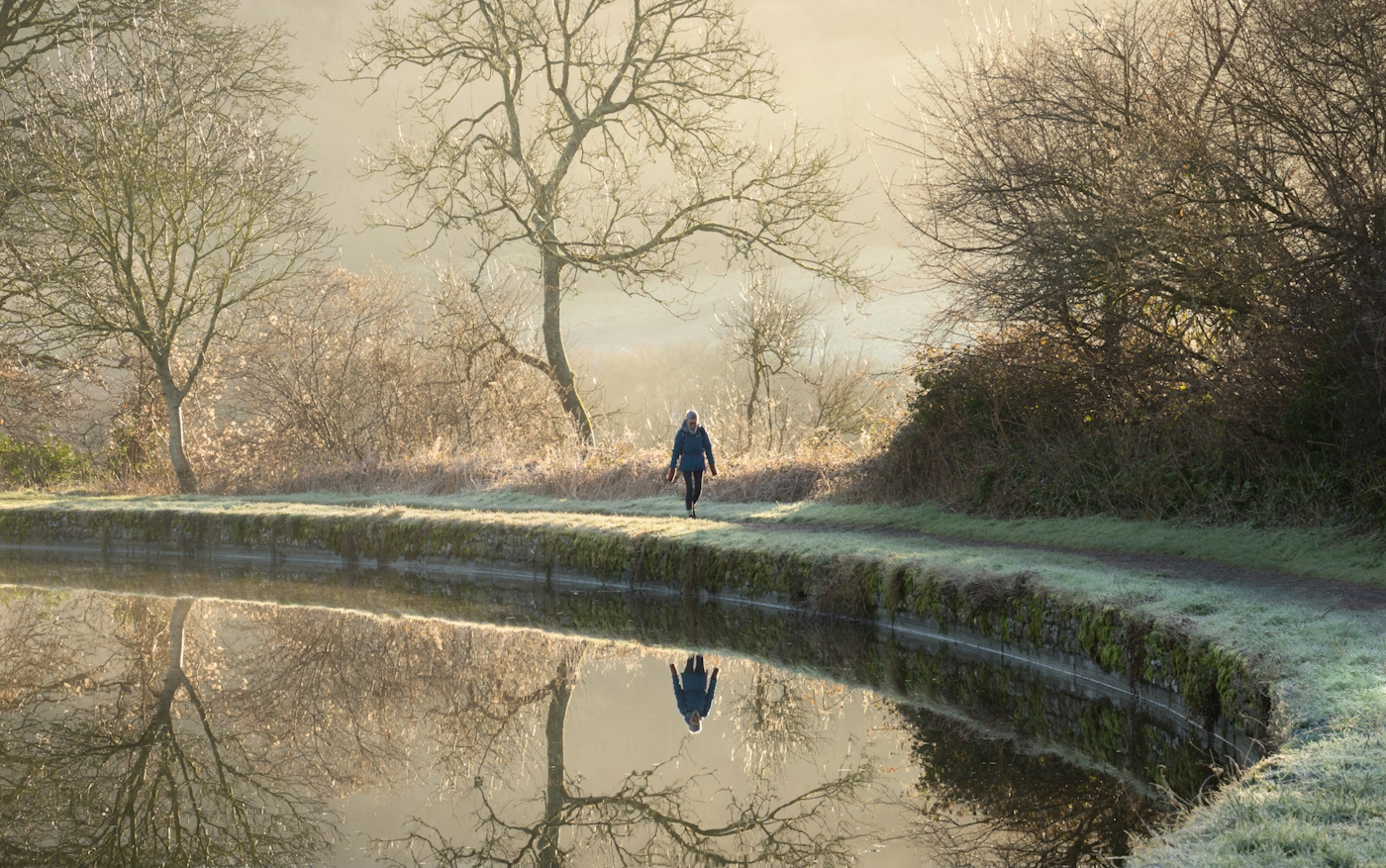
Reflections and backlit mist from the river. Kennet and Avon canal.
These inland waterways are perfect for capturing reflections on calm days. The surface acts as a natural mirror, doubling the beauty of the landscape. The moisture from rivers, lakes and canals can also be a great source of localised mist.
Waterfalls and Weirs

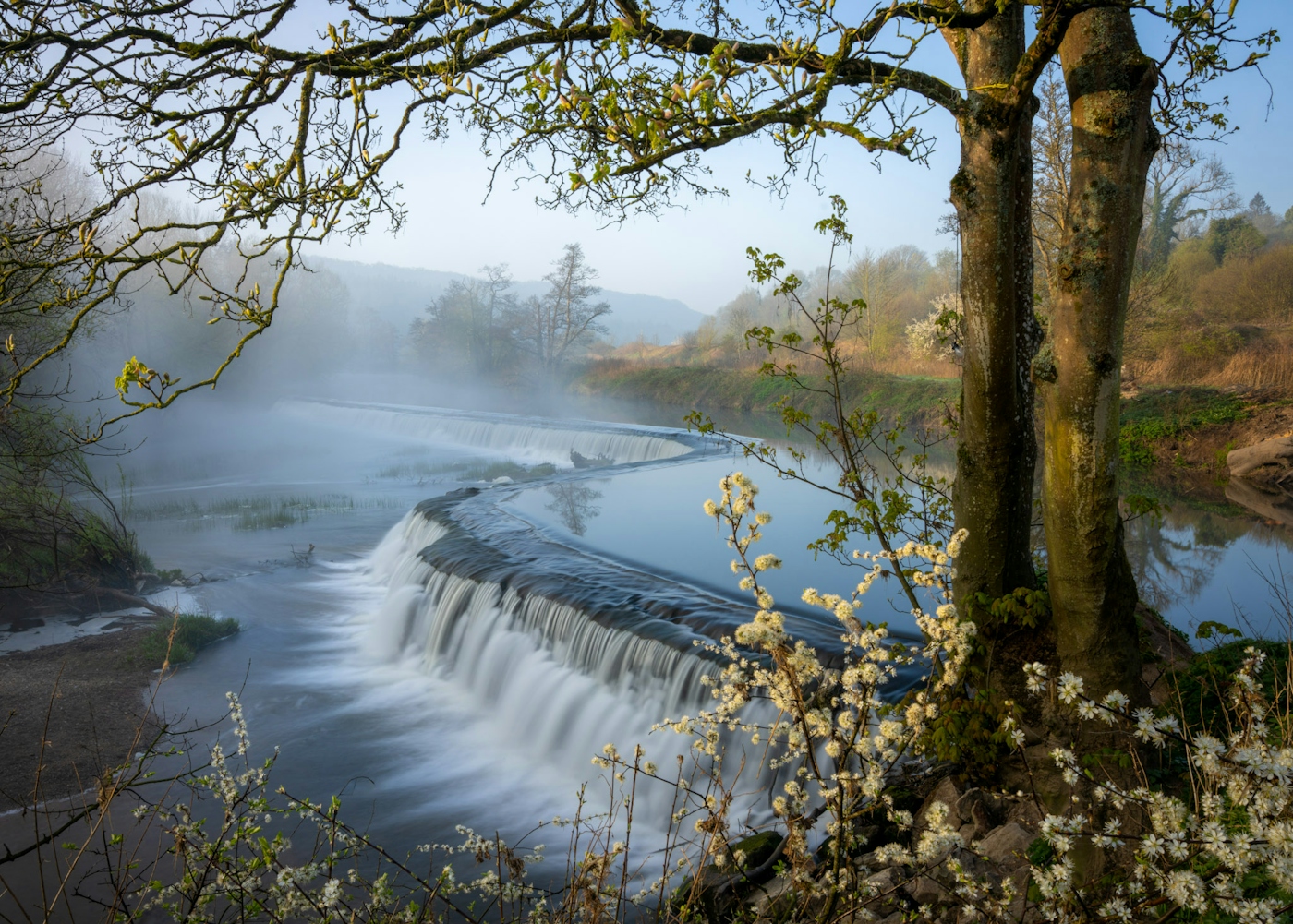
Long exposure winding weir. Warleigh Weir.
Whether natural or man-made, falling water is a playground for photographers. Use slow shutter speeds to capture the motion of the flow, creating a silky texture that draws the viewer in and removes the distraction of individual water droplets frozen in time.
Mist and Fog

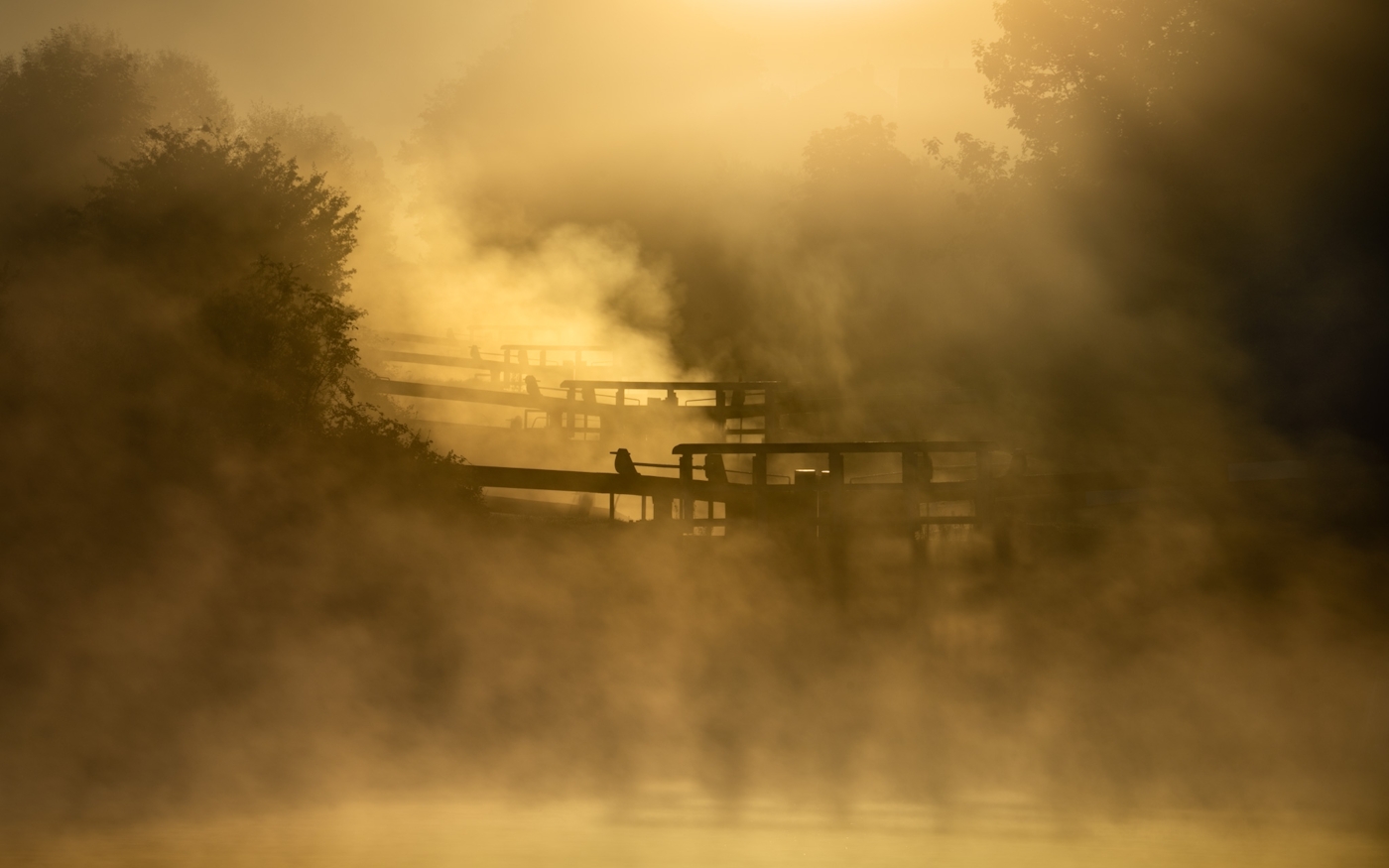
Plumes of mist. Caen Hill Lock.

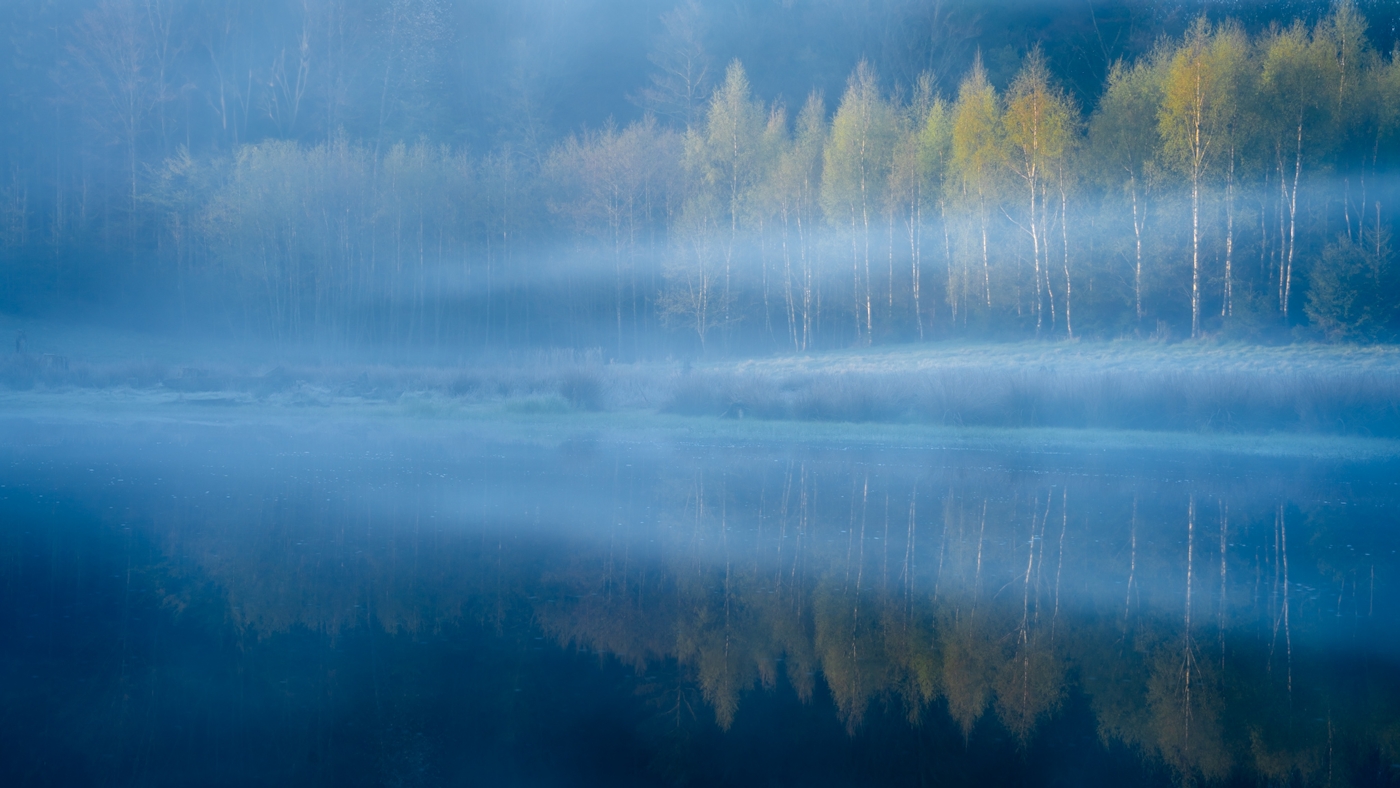
Long exposure mist over lake. Near Ystad.
Mist is made of tiny water particles suspended in the air. It’s usually thin, close to the ground, and localised—perfect for softening light and creating dreamy, almost otherworldly conditions. A fast shutter can highlight the texture of the mist, while a slower one smooths it out for a more ethereal effect.
Fog, on the other hand, is denser and more widespread. It obscures details and simplifies chaotic scenes, making it ideal for woodland photography. Trees emerge in layers, adding a beautiful sense of depth.
One of nature’s most stunning displays is a fog inversion—where warmer air traps colder air below, creating a sea of cloud across valleys and lowlands, with peaks and ridges rising above like islands.

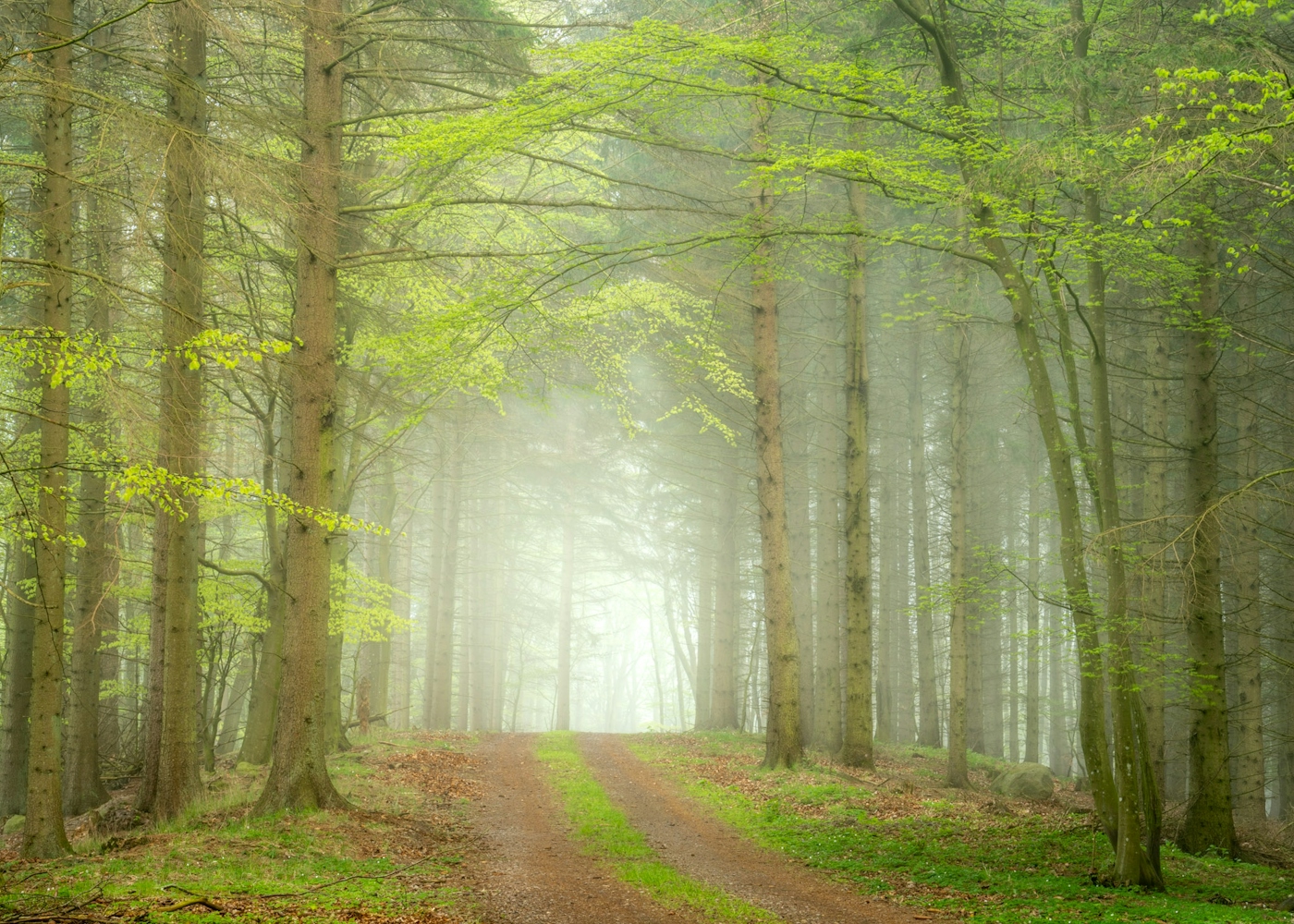
Foggy woodland trail. Near Ystad.

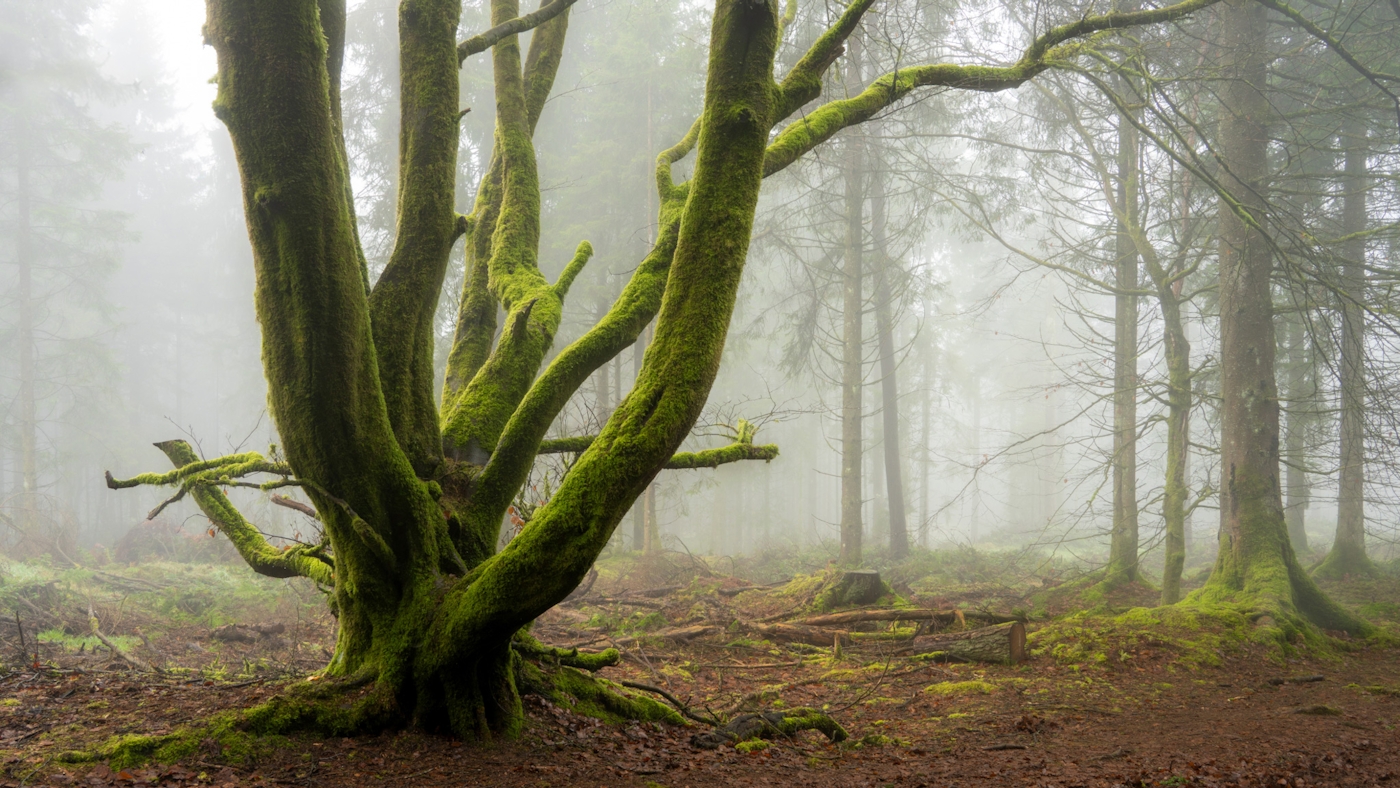
Foggy woodland layers. Priddy.

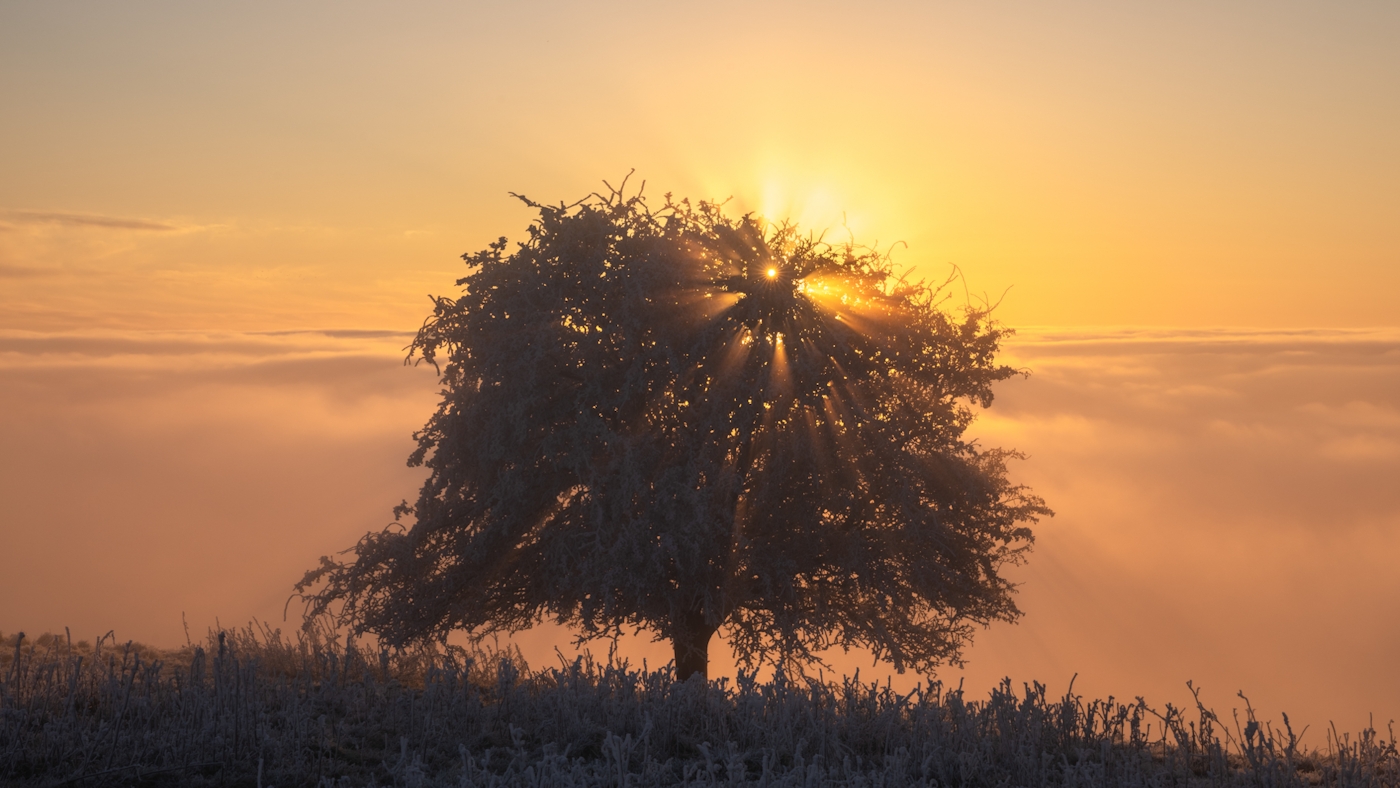
Fog inversion sunstar. Pewsey Vale.
Clouds

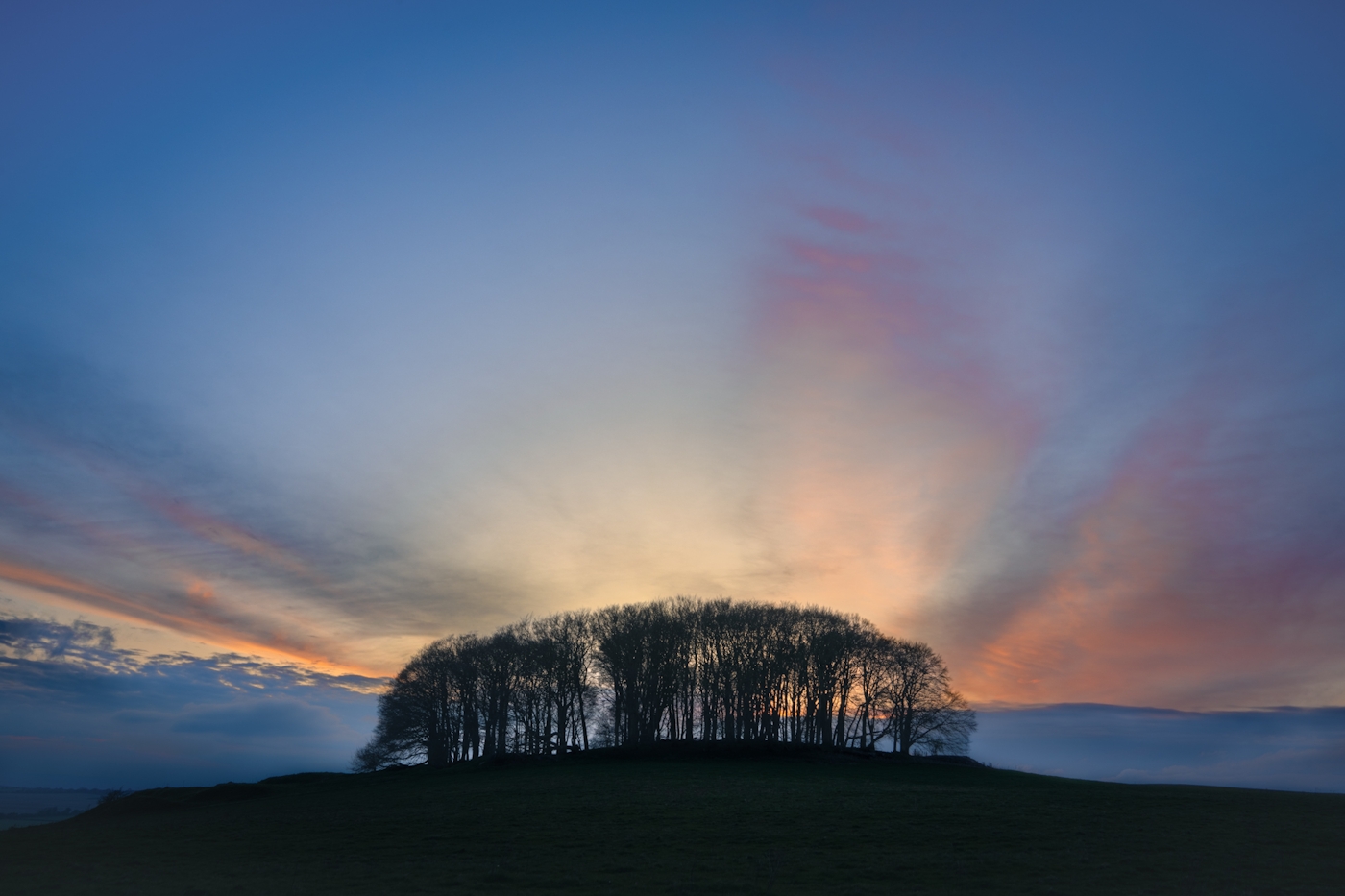
Sunset cloud fanning out. Morgan's Hill.
Clouds add texture, scale, and drama. High clouds just before sunrise or after sunset can catch the light and glow with vivid colours—turning the sky pink.

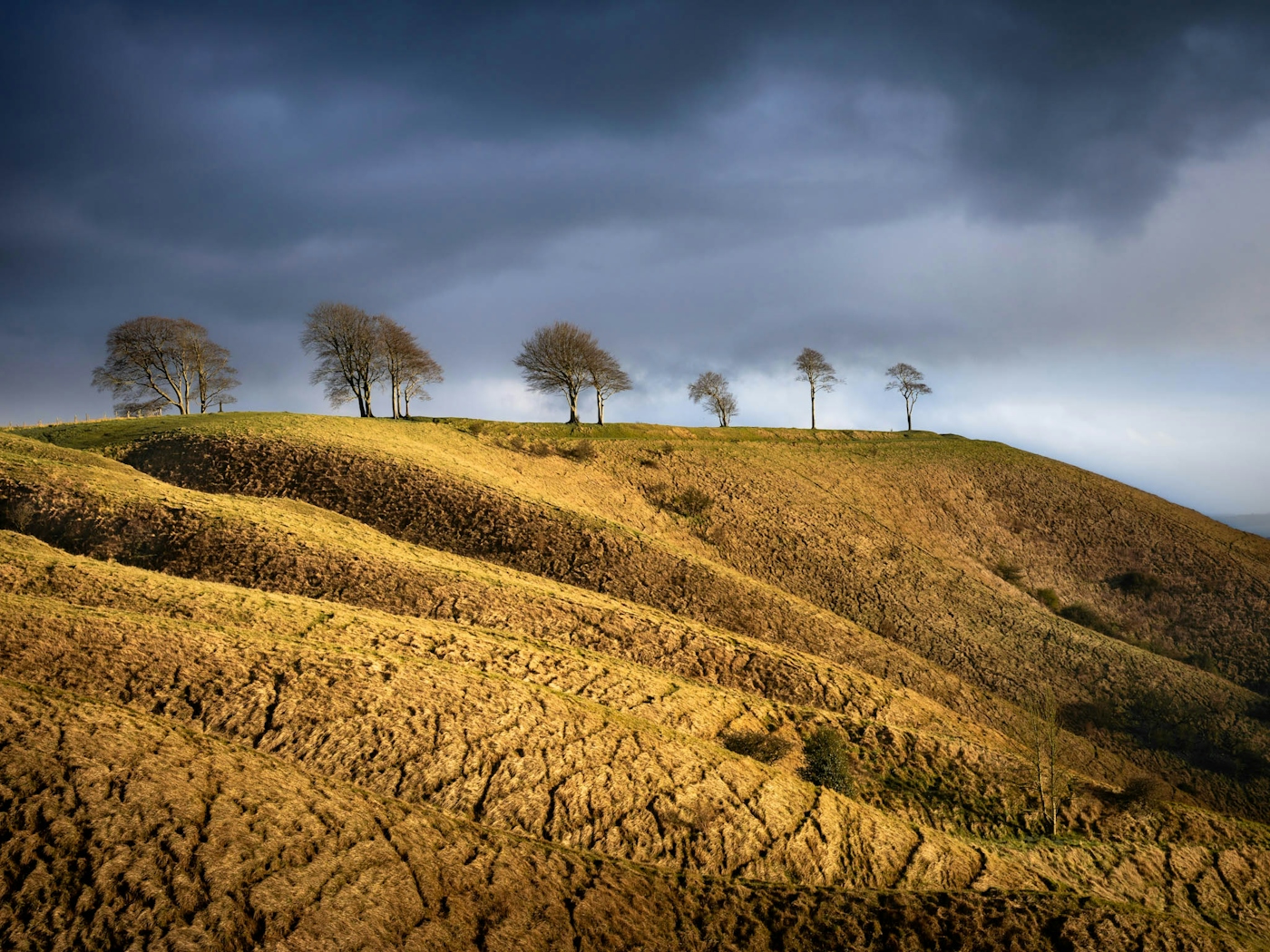
Storm clouds. Roundway Hill.
Rain

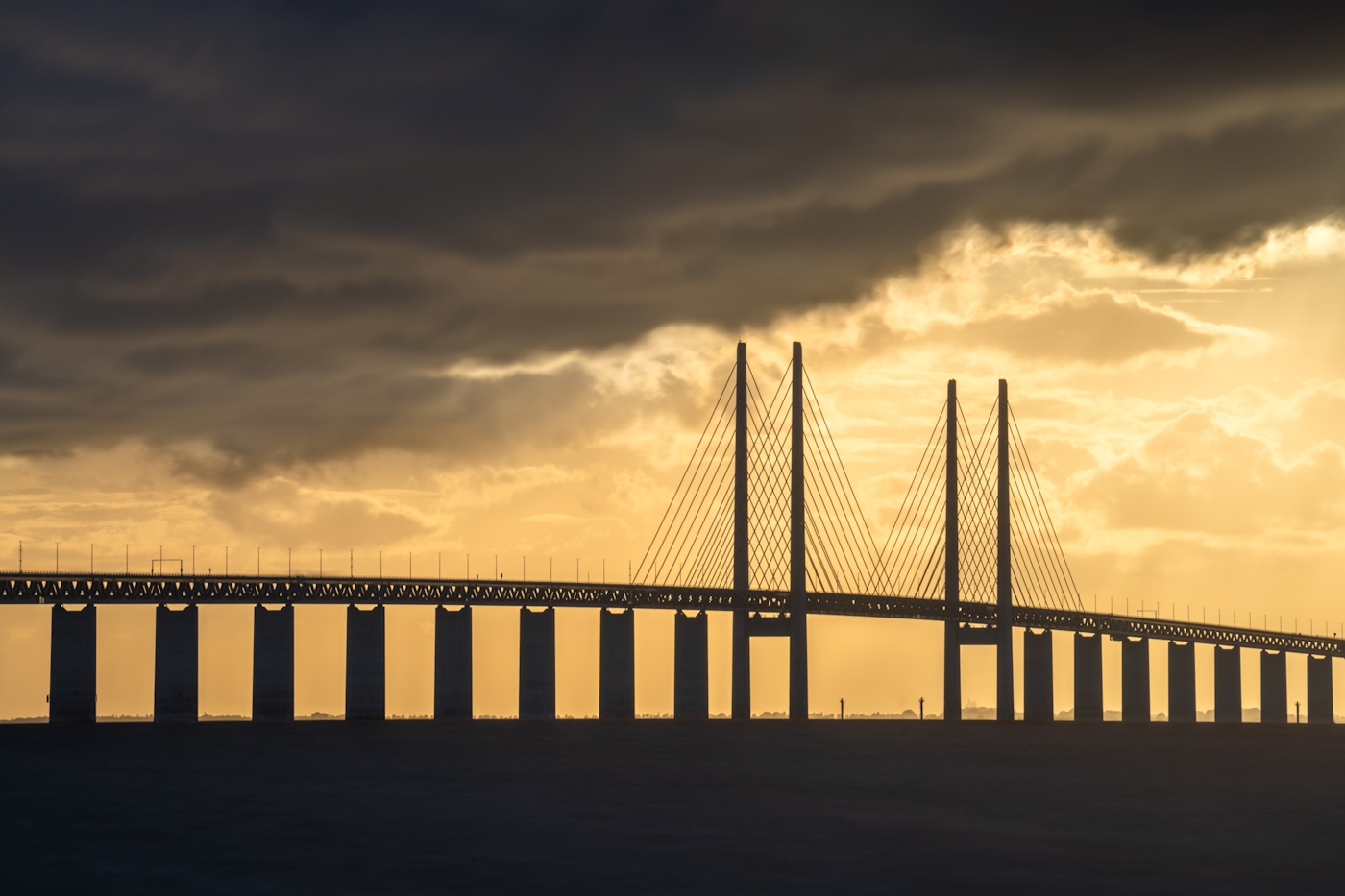
Light refracted through rain drops. Oresund Bridge.
Rain isn’t just a challenge—it’s an opportunity. When sunlight filters through falling rain, the whole sky can light up in rich, golden tones, casting a surreal, almost otherworldly glow across the landscape.
Frost

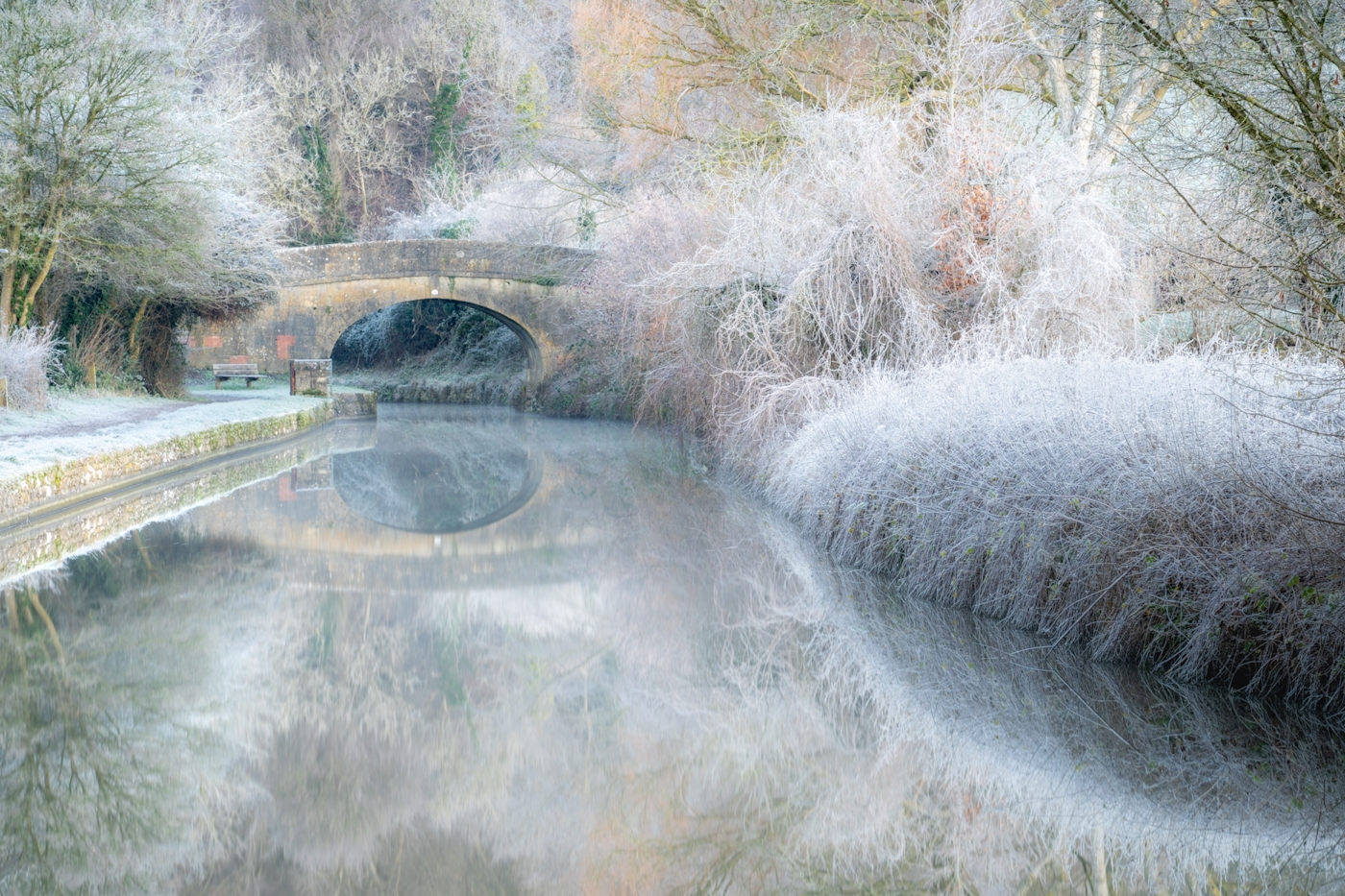
Hoar frost. Kennet and Avon canal.

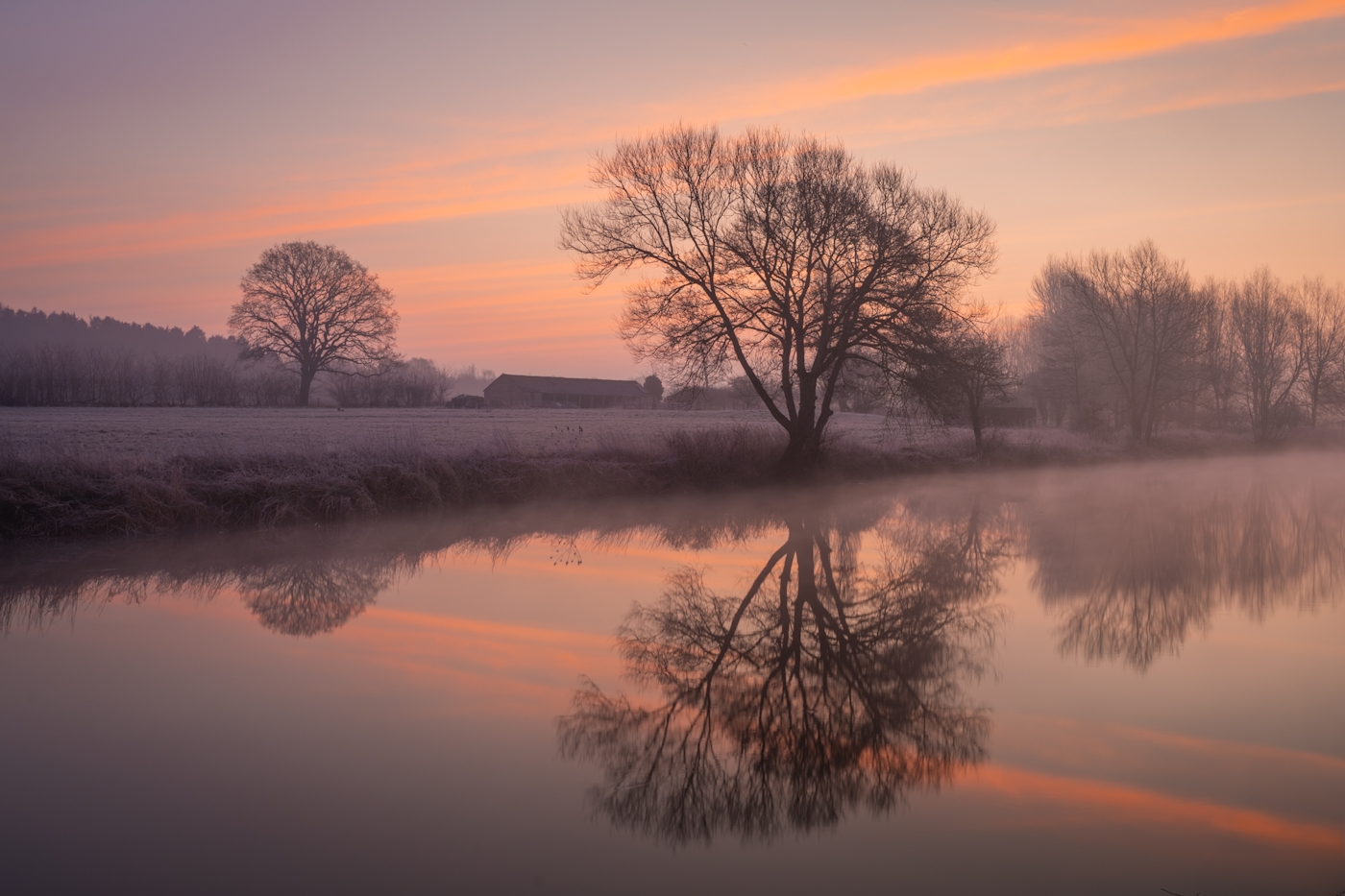
Light dusting of frost and mist. Bradford-on-Avon.
Frost can take on many beautiful forms. Hoar frost appears as clusters of delicate, spiky crystals pointing in all directions. Rime ice, which forms in freezing fog, looks like sharp needles all facing one way. From a distance, both turn the landscape into a winter wonderland. Even a light dusting of frost can reflect the light and colour of sunrise.

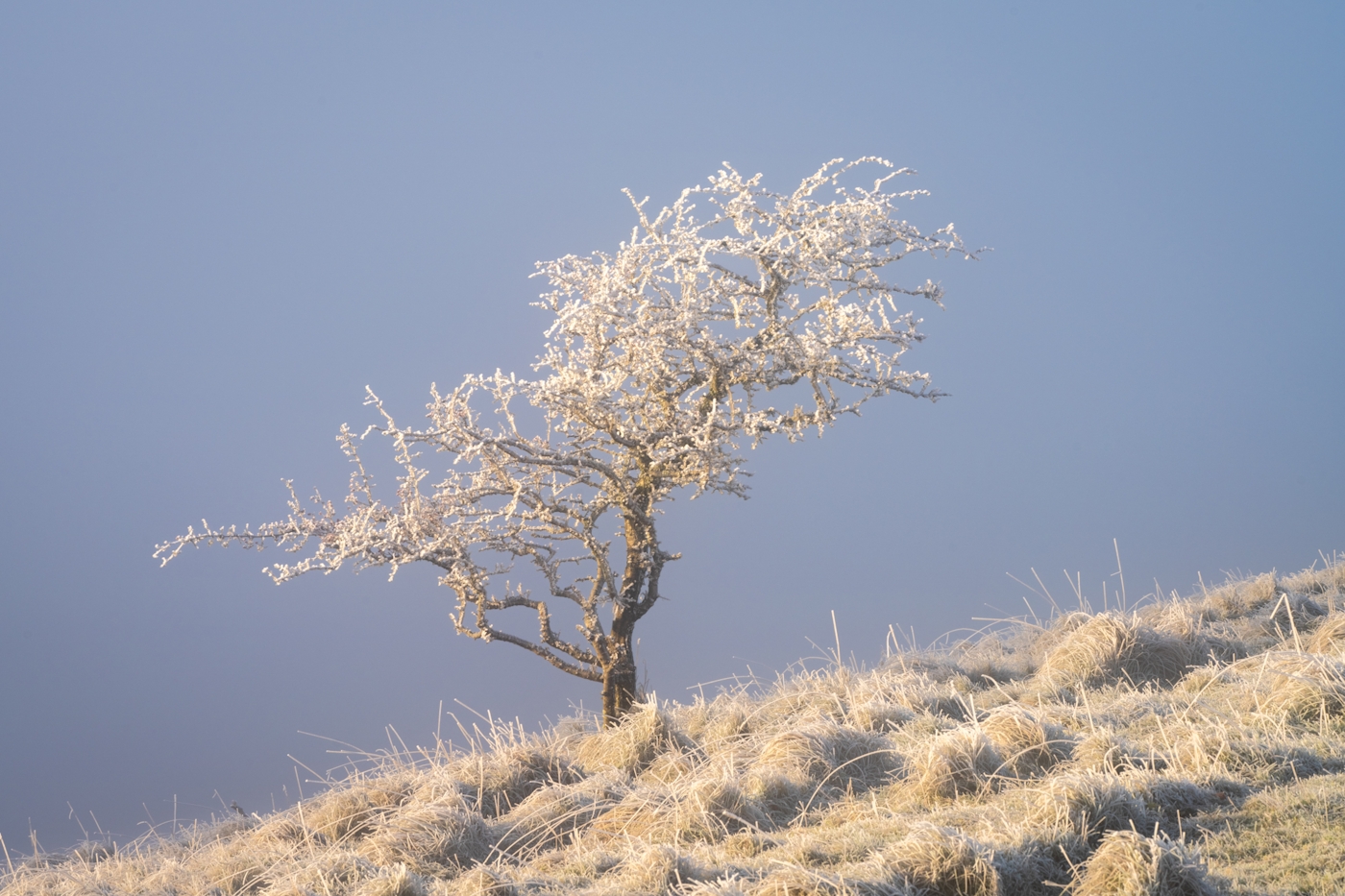
Rime ice formed in freezing fog above fog inversion. Pewsey Vale.
Snow

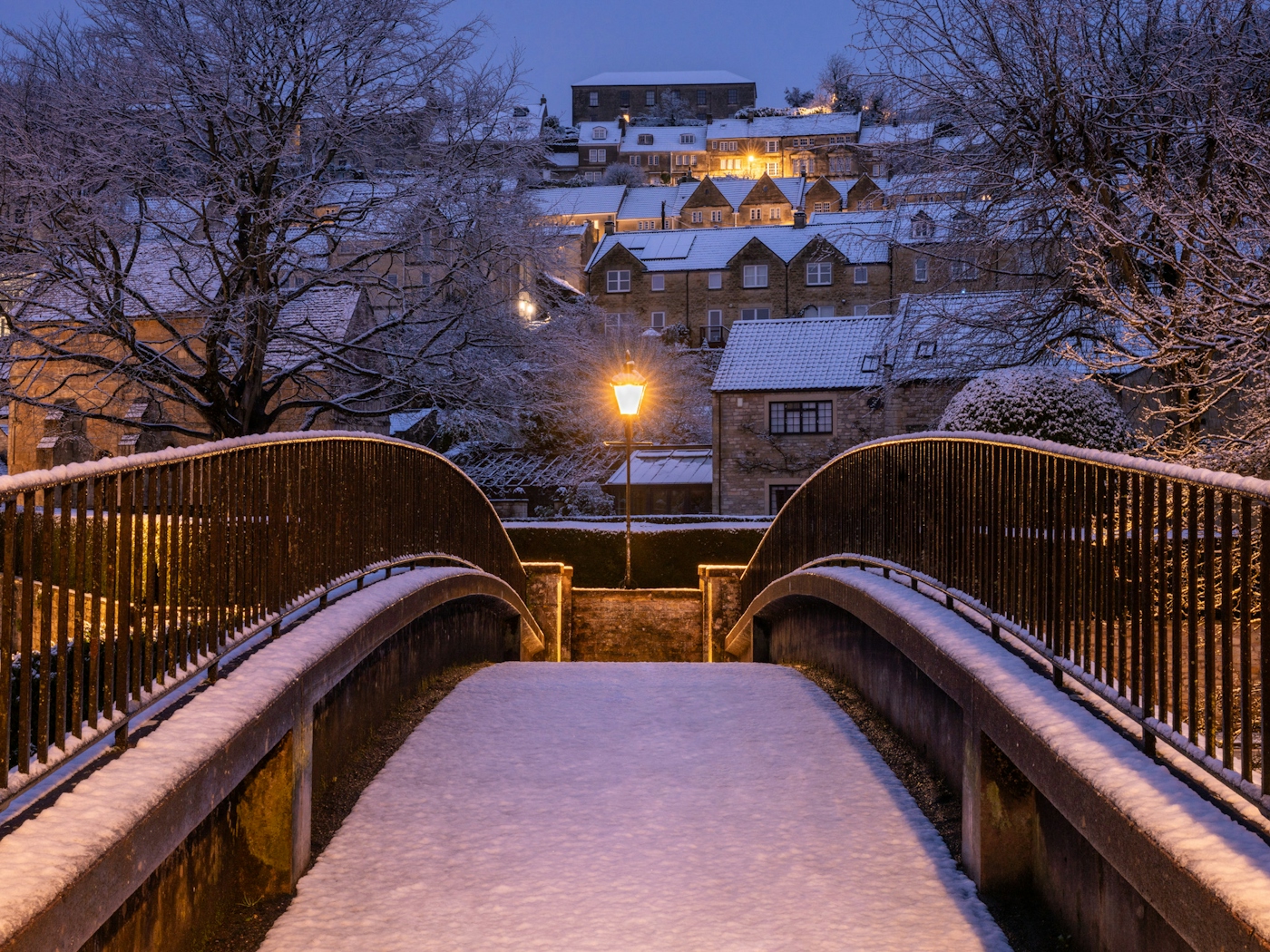
Snow dusted bridge. Bradford-on-Avon.
Snow has the power to simplify and unify a landscape under a clean white blanket. It brings a sense of calm and coherence—but only when there’s enough coverage. A thin sprinkling can actually distract the eye, breaking up the scene instead of pulling it together.
Floods

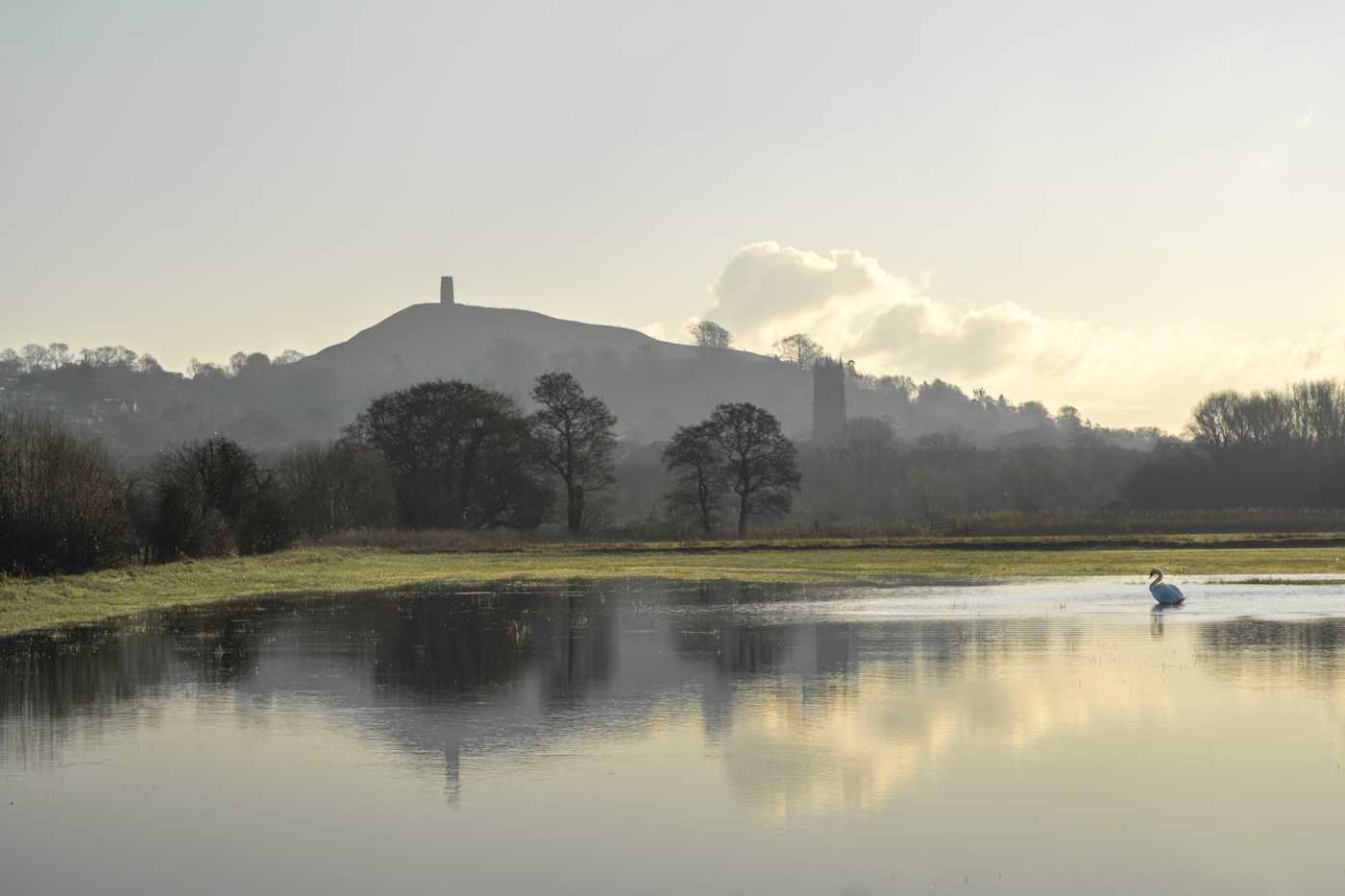
Flood Somerset levels. Glastonbury Tor.
While often destructive, floods can dramatically reshape a landscape. Roads and fields alike disappear under water, creating unexpected reflections and surreal compositions—sometimes within hours.

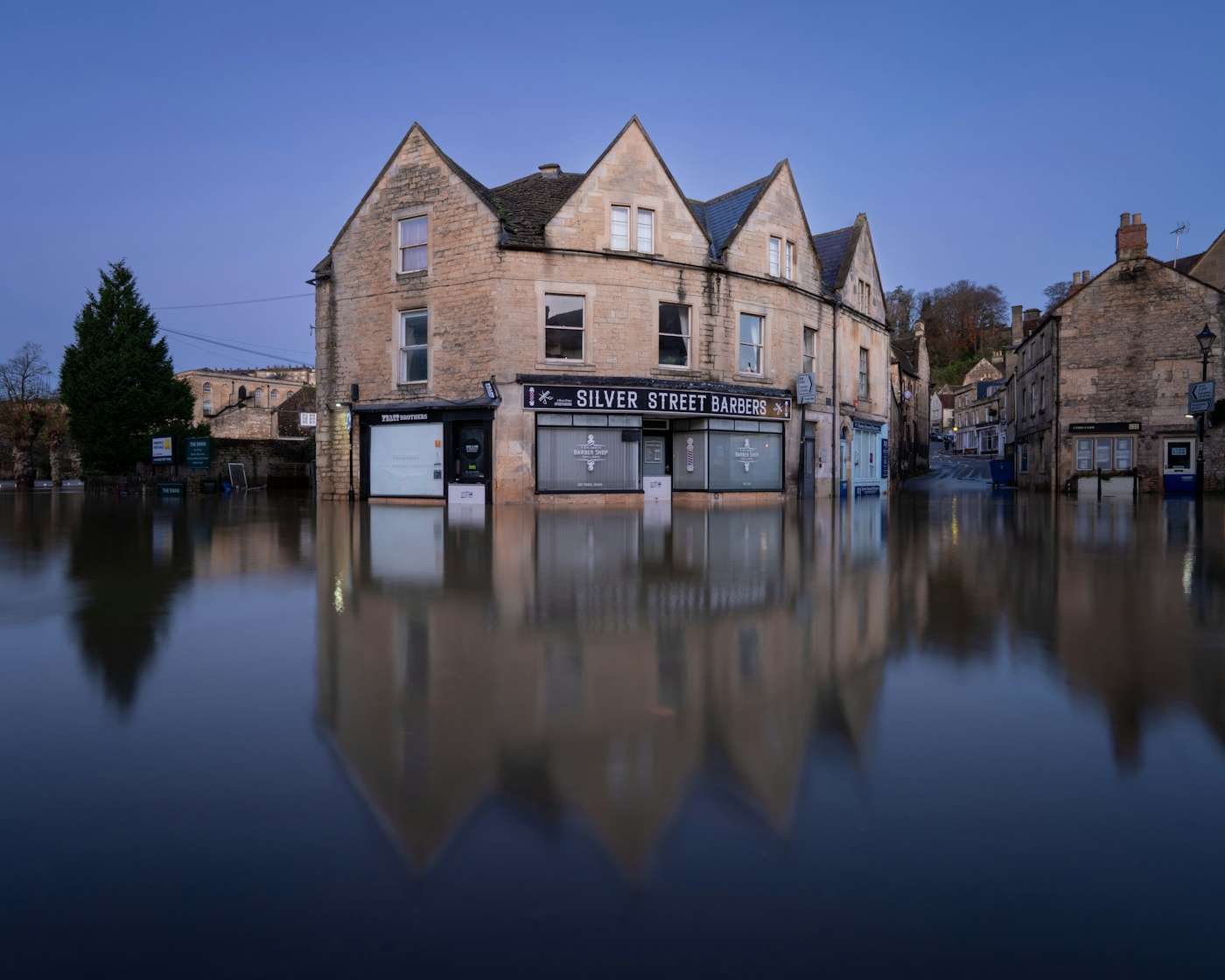
Flooded town. Bradford-on-Avon.
Seascapes
Seascapes offer incredible variety—from high-speed shots of crashing waves to soft, long exposures as the tide recedes. While I haven’t yet had the chance to explore seascape photography myself, I draw inspiration from talented artists like @shainblumphotography and @williampatino_photography on Instagram. Their work is well worth a look.
Water is always exciting. It reflects, transforms, obscures, and reveals. I hope this post inspires you to explore how water shapes your own local landscapes. Grab your camera, and start looking for the magic in the mist, frost, and storms around you.