Out of sight: the battle behind the lens
by Tania McCrea Steele · 2023-06-15

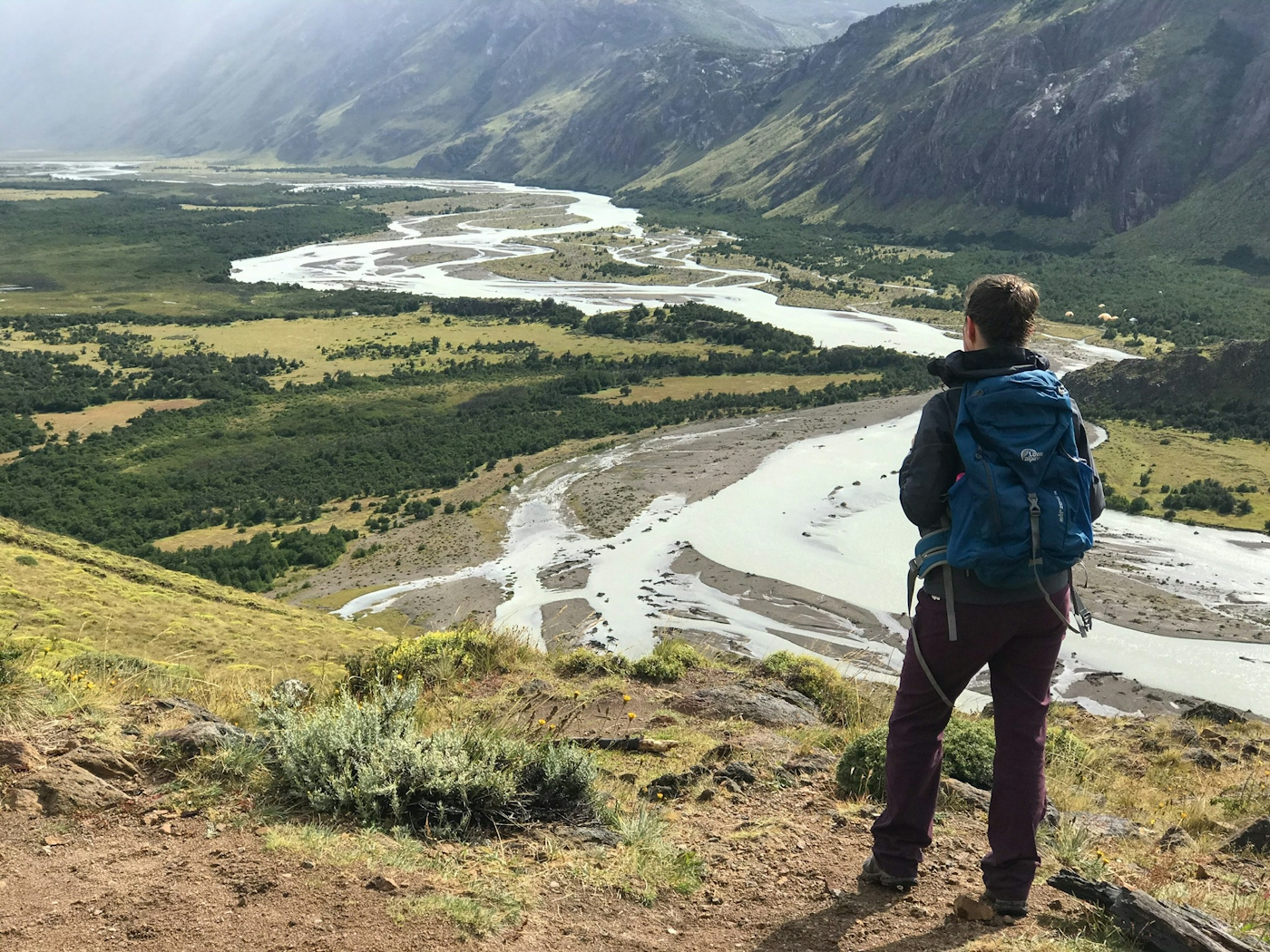
Hiking in the Andean mountains two months before contracting Covid
My photography aims to find the extraordinary in the ordinary. You could say the images paint an idealised version of reality. Certainly the countryside where I live offers an abundance of subjects that lend themselves to this treatment – so long as you can get out into it.
This picture-perfect version of the world could make it hard to understand the struggle faced by Covid long haulers like me. Earlier this week the UK Covid-19 inquiry began hearing evidence. Here is my story of the battle going on behind the camera lens which formed part of my submission to this inquiry.
In January 2020, I was hiking up the Andean mountains. Two months later I was bedridden, wondering if I was going to die with Covid. Since then I have tried repeatedly to regain wellness, but after 14 relapses I am coming to accept the reality of living with long Covid.
My trip to the Andes was during a family holiday to Argentina, my father’s homeland. Patagonia, with its wide, open vistas, dramatic mountains, wildlife and outdoor living, was my idea of paradise. On our ascent towards Mount Fitz Roy we smiled at a group of Chinese tourists. My brother mentioned that China was dealing with a coronavirus outbreak. I had not been following the news on holiday so that was the first I had heard of it.

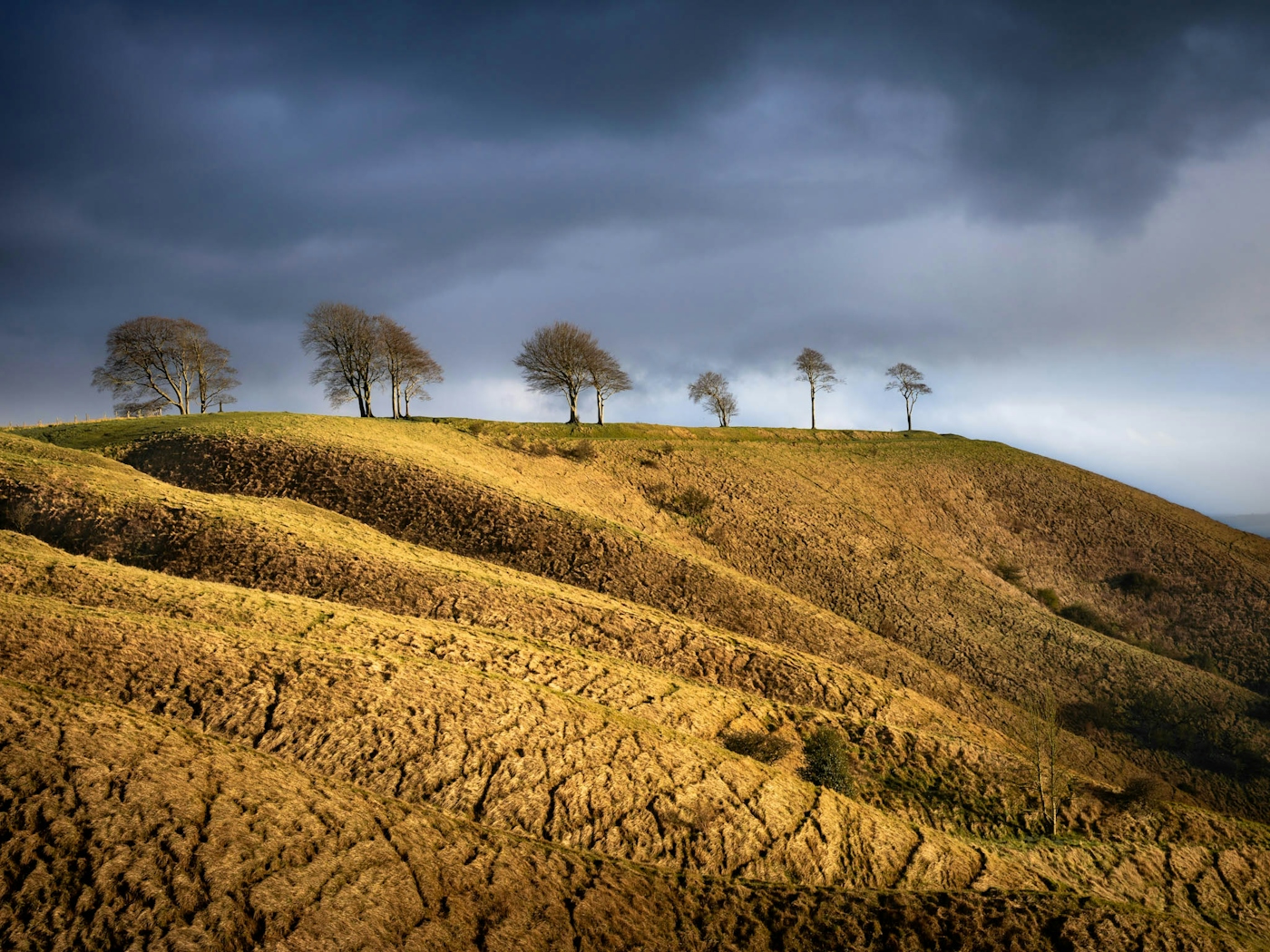
Stormy times: Roundway Hill
Then in March 2020, a week after a train trip to London, my life turned a page and a new chapter began. I started to find it difficult to breathe or stay awake. I repeatedly called my surgery, wondering if I had Covid. At the time, understanding of Covid was so poor that respiratory problems were not listed as a symptom of the virus in the United Kingdom, despite hospitals filling up with people who needed to be on ventilators. I was in my early 40s, female, with a healthy body mass index and only mild asthma, which meant that I did not fit the ‘at risk’ profile. Unable to see a doctor face-to-face, I was left to struggle on alone at home. No one took my temperature, no one measured my oxygen levels, no home Covid tests were available and no one correctly diagnosed my illness at the time. Thankfully, in anticipation of the pandemic, I had stocked up on inhalers and I used these every few hours to open my airways. Before the pandemic, it was extremely rare for me to use my inhalers.
Many sufferers who were not hospitalised should have been, especially as some of those told to stay home met their death there. Some people who were hospitalised recovered better than those of us left at home.
There were multiple times over the weeks that followed when I feared for my life. On one of these occasions I woke suddenly in the night with heart palpitations. I lay there thinking that if I fell back to sleep I might die, but I was too weak to seek help. I made my peace with death, reflecting on a life that had been full of love, purpose and adventure. I would not have chosen death in my early 40s but I would have to accept it if it came for me. I fell asleep not knowing if I would wake again but knowing that I had found peace with my mortality.
An image came to mind from a documentary during the Ebola crisis. The cameras followed a doctor inside a pop-up medical clinic. They showed a young man who had died. He was slumped over while trying to put on his shoes. The vision of someone’s life slipping away while doing something ordinary did not align with my expectations around death. Lying in bed with Covid it made sense. You can just slowly run out of life.

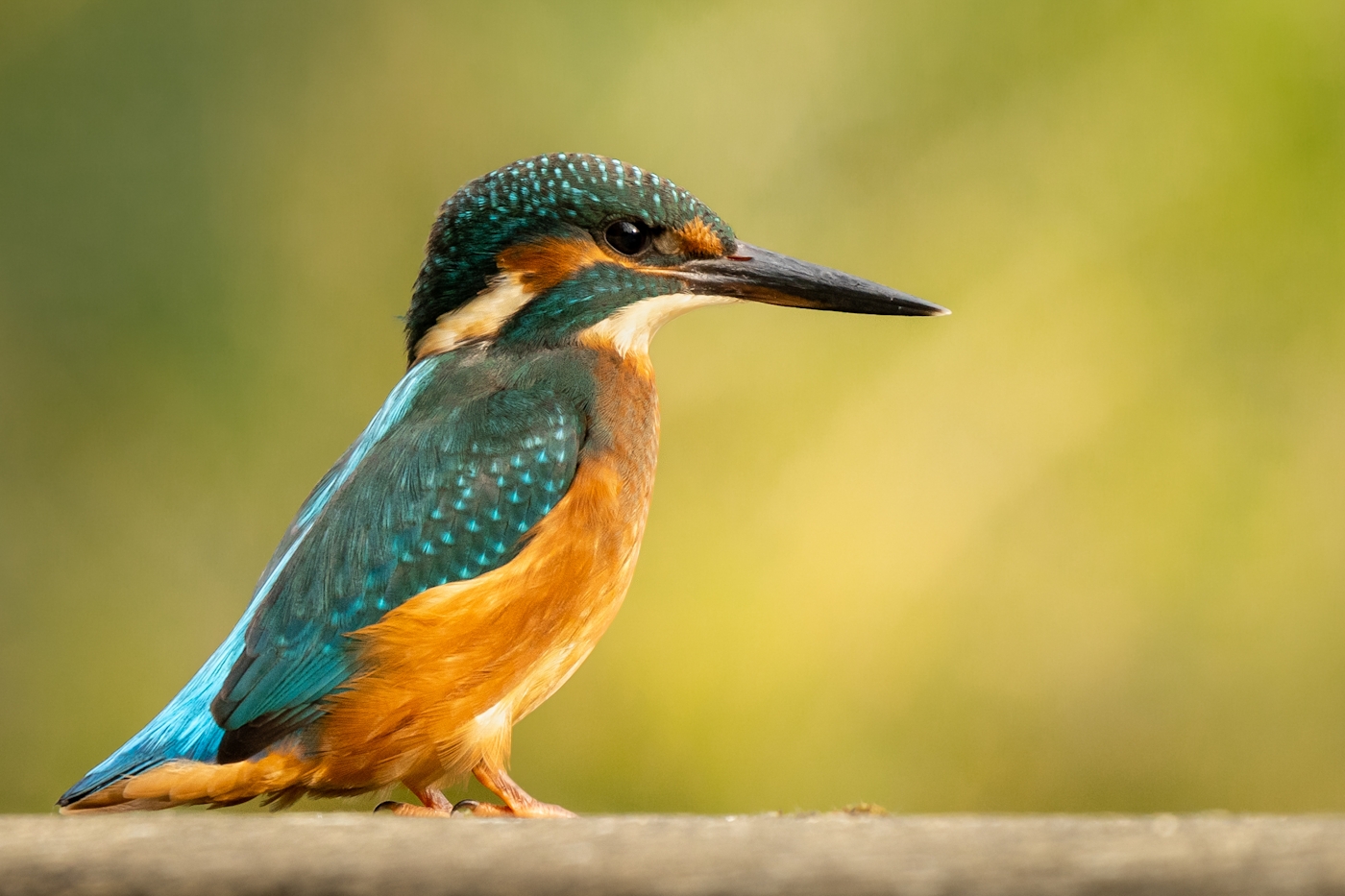
Wildlife therapy: kingfisher
Before the pandemic hit I was working full time managing a large team of people across six continents. I led my team in developing and implementing international strategies targeting wildlife traffickers operating online. A day at work could involve liaising with governments, companies, enforcers, politicians, international bodies or other non-governmental organisations, carrying out research or editing reports to create solutions tackling wildlife trafficking. I would often find myself being interviewed on TV or radio, have to give presentations on stage or deliver workshops. My work was demanding, dynamic and unpredictable. It was also very stressful. Dealing with the horror of wild animals killed for their body parts or held captive as exotic pets was hard. Humans were suffering too, with many being killed each year in the fight over wildlife.
In a few hours I had lost that version of my life. I was bedridden for weeks, struggling to breathe every day for at least three months, confused that I was not recovering despite the news reporting people would only be ill for a handful of days with Covid.
Friends and colleagues sent me articles describing a phenomenon that came to be known as long Covid, where people who had been infected with the virus were remaining sick for prolonged periods of time. Their experiences tallied with my own. I later learned that post-viral conditions were nothing new. The evidence was there but the willingness to acknowledge and address these conditions was where the problem lay.
From 2020 until the present day I have had 30 different symptoms, the most debilitating being crippling fatigue, difficulty breathing, chest pain, heart palpitations and brain fog.
In the absence of any medical support or understanding of the condition, I realised the only person who was going to help me was me. I created my own rehabilitation programme. To begin with I focused on training myself to walk again. I was very unstable on my feet at first as my muscle tone had wasted away. I could only manage a few steps. Had I known what I was in for I would have invested in a mobility aid.
My strength would drain extremely quickly when I ventured out, leading to one occasion where I slumped like a folded deck chair by the side of a canal towpath, waiting until I could find enough energy to get up and inch towards home.
The fatigue I experienced was completely debilitating exhaustion. It felt like there were weights inside my body that held me down onto the bed. Medical practitioners repeatedly advised me to push through, but that is like telling someone to drive a car that has no petrol. It is physically impossible. There was no fuel in my body, no charge in my battery. Some days I simply could not move.
I learned to stay alert for a sensation that felt like a rubber band being stretched in place of a heart. As soon as that started I had to rest, otherwise the rubber band would snap and my body would shut down.
Food delivery slots were impossible to obtain after the lockdowns started. I did not count as disabled, as long Covid was not yet a recognised condition, so I could not secure an online delivery booking during the height of the pandemic. I had to drive five minutes to my nearest supermarket to purchase food. I felt like I might collapse in the supermarket on a number of occasions. I developed a coping technique. I would rest my stomach on the shopping trolley handle, my head hanging in the cart and my legs raised off the ground. I would dangle like that until I felt I could stand again.

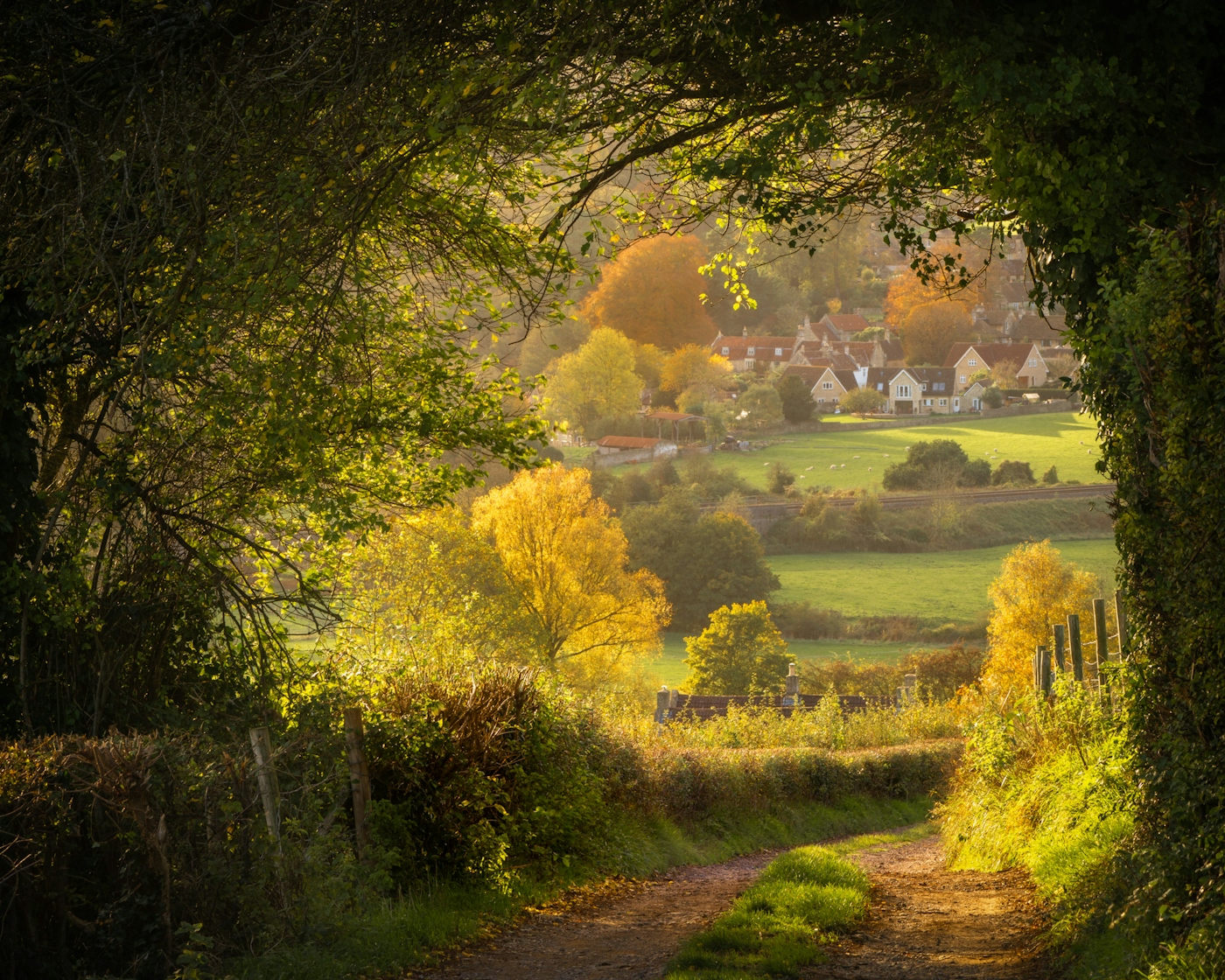
Chasing the light: Autumnal tunnel
Very slowly I began to take steps towards recovery, but this was challenging as the goal posts constantly moved. Imagine, again, driving a car, but one with a broken petrol gauge. I had no way of knowing how much energy I had in the tank.
I began gathering data to help me establish my energy baselines, track progress and identify what caused the relapses. I measured how many symptoms I had, how much sleep I needed, how long I could walk, how far I could drive and how many hours I could work. I also learned of the three pillars of chronic fatigue: physical, emotional and cognitive. Cognitive pressure was my number one trigger as the hours I would try to work would far exceed any physical demands on my body.
Some people would urge me to think my way out of it, encouraging me to do things that would make me happy. Unfortunately I learned the hard way that it was when I was feeling healthier, enjoying the company of family and friends or taking on more work – generally getting pleasure out of life – that I was most at risk. For then I would begin to feel more confident and subsequently stray from my strict regimen. And long Covid would punish me.
My determination and evidence-based approach has enabled me to reach periods of improvement, but sadly incorrect medical advice urging me to return to full-time work, repeat Covid infections, negative side effects from vaccinations and distressing events have caused me to relapse 14 times. A relapse means you slide back down to the base of the mountain and have to begin your climb all over again. Psychologically you have to stare your fear in the face as the broken record questioning whether you will ever recover plays on repeat in your brain.
I relapsed recently. It began with me being too weak to go out at all. I could wash and feed myself, but the rest of the time was spent lying down. No reading. No watching TV or movies. No conversations with anyone. All I could do was lie still and listen. You are in this strange limbo where you are alive but not living.
At the time of writing I am still trying to work my way out of the relapse. Every day I walk a knife’s edge while blindfolded, knowing that if I slip I will find myself bed bound again. It takes multiple attempts at improvement to break the cycle and then build resilience.
The cruelty of this condition is it targets people who have had a high degree of directed or undirected energy. Long Covid hits the driven and deals out a harsh lesson in rest and self care. It means having to override our default settings and teach ourselves to find the value of inaction and the power of restoration.
That is where photography comes in. It leads me to stop and watch the world and fill myself up on nature and its almost impossible beauty. It makes me feel small and insignificant in the landscape. It reminds me that the world is bigger than me and it makes my challenges seem unimportant.
I hope this window into my experience will help readers better understand what it is like to be inside a long Covid body. I’m not seeking sympathy, nor do I see myself as a victim, but like many who have experienced a traumatic event I want to raise awareness of the battle we face. There’s millions of us out there. There are at least five long haulers living within 200 metres of my front door, and this life-altering club continues to grow while Covid still circulates with no effective preventative measures in place.